🚚 Free Worldwide Shipping on All Orders!Shop Now
Weiss: Lute Sonatas Vol 6 / Robert Barto
The connection between Johann Sebastian Bach and Sylvius Leopold Weiss goes beyond their having virtually identical dates. The two men were friends and in his young adulthood, Bach admired the more famous Weiss very much and in my opinion wrote much of his music, if not for Weiss, at least with Weiss or someone like him in mind.
Weiss was the Paganini of his day, his virtuosity amazed and overwhelmed listeners and challenged composers. Bach re-wrote much of his music, probably more than we are aware of because we only have a small number of surviving manuscripts of earlier versions. As a young man, Bach would expect to hear his music played by lutenists and clavichordists, but as these instruments fell out of favor, he could see that this was less and less likely, so he rewrote pieces to make them more suitable for harpsichord, and finally fortepiano, performance. After poring through some German essays on the subject, I am convinced Bach probably did not play the lute himself, but was interested in achieving lute sonority on harpsichords, and had at least one such “lute-harpsichord*” [*Scholars are still unsure just what that instrument was.] in his possession when he died. Recently there have been recordings of the first book of the Well Tempered Klavier which used clavichord, harpsichord, organ, and fortepiano for the various preludes and fugues, but my feeling is that one should also include some performances on the lute as well. By the time of the second volume, it is my opinion that this is a fortepiano work, and that explains why Bach rewrote many of the earlier pieces for inclusion therein, not to make them “better” but to make them more suitable for performance on the fortepiano. Professor Richard Jones particularly needs to study this point. When Weiss died in the same year as Bach, the lute as a solo virtuoso instrument virtually died with him.
Bach wrote an astonishing quantity of the finest preludes and fugues ever done but he also wrote dance pieces for his keyboard suites and his works for solo instrument. Most Bach enthusiasts pay very little attention to these dance pieces, but what is interesting is that Weiss’ pieces in similar forms are very similar in style to Bach’s and heard on the lute they are delightful. Performance of these smaller works of Bach on the lute would probably make them much more comprehensible, and in fact we have just such an instance with Paul Galbraith’s performance of the Sonatas And Partitas for solo violin on his six string guitar. It is the smaller dance pieces which gain most from this arrangement — indeed they become interesting enough to be listened to all by themselves. And that is what we hear on this recording listening to similar dances by Weiss.
A recent biography of Bach by Martin Geck enlarges the spotlight, giving much information about the surrounding circumstances in which Bach lived, deepening our understand of Bach as a man who lived in a culture and reacted to it. Another crippling legacy of Victorian musicology falls; instead of seeing all the musicians around Bach as mere imitators, and hence safely to be ignored, we see instead that they formed a musical culture in which Bach was immersed and with which he interacted profitably. A familiarity with Weiss, who spent his professional life at Dresden, 60 miles from Leipzig, is valuable to an understanding of Bach. For a long time this has been all but impossible as the music of Weiss was unknown and unplayed, presumed lost; but now we have this excellent series.
Recording perspective on Volume 6 is closer than on Volume 2 and finger slide noises are more evident. The introduzione to Sonata No.45 has a fugato section that is somewhat reminiscent of Handel’s “Harmonious Blacksmith” followed by a very Bachian courante. The sprightly bourrée is more syncopated than most Bach. The sarabande is appropriately stately, touching but not sad. The menuet is, again, sprightly with musical leaps not usually heard in a menuet. The presto is just that, but not a fugue as it would be with Bach, but rather reminiscent of the allegro from Bach’s BWV 998, a lute work, likely influenced by Weiss. If someone told you this movement was by Bach — unusually playful Bach to be sure — you would have no reason to doubt it.
The suites are apparently numbered in order of composition, so following No.45, a late work, we come to No.7, a much earlier work, beginning not with a prelude or an introduzione, but directly with a stately and thoughtful allemande, followed by a fast and rather Bachian (but not fugal) courante. The gavotte is graceful, with typical leaps, the sarabande particularly lovely and affecting. The menuet is dramatic, the gigue is as rollicking and Bachian as it can get without being a fugue. Altogether this earlier work keeps its unique personality but is not in any sense lacking in quality. Suite No.23, a work from the middle years, begins with a arpeggiated chordal prelude which leads at once into an entrée, an embellished aria; and on with the usual set of dances, finishing with a swinging saltarella — which could pass for a hornpipe — and is probably the most interesting work on the disk, showing Barto’s skill in saving the best for last, which is also true of Volume 2, the last movement on which is possibly my single favorite work by Weiss.
Throughout Mr. Barto plays with lyricism, rhythmic integrity, expression, sweetness of tone and clarity of voice — that is, amazing skill. Overall he’s every bit as good as Lindberg, perhaps with a little more drama and softness, whereas Lindberg pushes the limit on dexterity and precision. I think I like Barto’s lute, which has many of the qualities of an alto guitar, more than Lindberg’s lute which tends to “run out of breath”, but that could have more to do with the recording engineer.
-- Paul Shoemaker, MusicWeb International
Weiss was the Paganini of his day, his virtuosity amazed and overwhelmed listeners and challenged composers. Bach re-wrote much of his music, probably more than we are aware of because we only have a small number of surviving manuscripts of earlier versions. As a young man, Bach would expect to hear his music played by lutenists and clavichordists, but as these instruments fell out of favor, he could see that this was less and less likely, so he rewrote pieces to make them more suitable for harpsichord, and finally fortepiano, performance. After poring through some German essays on the subject, I am convinced Bach probably did not play the lute himself, but was interested in achieving lute sonority on harpsichords, and had at least one such “lute-harpsichord*” [*Scholars are still unsure just what that instrument was.] in his possession when he died. Recently there have been recordings of the first book of the Well Tempered Klavier which used clavichord, harpsichord, organ, and fortepiano for the various preludes and fugues, but my feeling is that one should also include some performances on the lute as well. By the time of the second volume, it is my opinion that this is a fortepiano work, and that explains why Bach rewrote many of the earlier pieces for inclusion therein, not to make them “better” but to make them more suitable for performance on the fortepiano. Professor Richard Jones particularly needs to study this point. When Weiss died in the same year as Bach, the lute as a solo virtuoso instrument virtually died with him.
Bach wrote an astonishing quantity of the finest preludes and fugues ever done but he also wrote dance pieces for his keyboard suites and his works for solo instrument. Most Bach enthusiasts pay very little attention to these dance pieces, but what is interesting is that Weiss’ pieces in similar forms are very similar in style to Bach’s and heard on the lute they are delightful. Performance of these smaller works of Bach on the lute would probably make them much more comprehensible, and in fact we have just such an instance with Paul Galbraith’s performance of the Sonatas And Partitas for solo violin on his six string guitar. It is the smaller dance pieces which gain most from this arrangement — indeed they become interesting enough to be listened to all by themselves. And that is what we hear on this recording listening to similar dances by Weiss.
A recent biography of Bach by Martin Geck enlarges the spotlight, giving much information about the surrounding circumstances in which Bach lived, deepening our understand of Bach as a man who lived in a culture and reacted to it. Another crippling legacy of Victorian musicology falls; instead of seeing all the musicians around Bach as mere imitators, and hence safely to be ignored, we see instead that they formed a musical culture in which Bach was immersed and with which he interacted profitably. A familiarity with Weiss, who spent his professional life at Dresden, 60 miles from Leipzig, is valuable to an understanding of Bach. For a long time this has been all but impossible as the music of Weiss was unknown and unplayed, presumed lost; but now we have this excellent series.
Recording perspective on Volume 6 is closer than on Volume 2 and finger slide noises are more evident. The introduzione to Sonata No.45 has a fugato section that is somewhat reminiscent of Handel’s “Harmonious Blacksmith” followed by a very Bachian courante. The sprightly bourrée is more syncopated than most Bach. The sarabande is appropriately stately, touching but not sad. The menuet is, again, sprightly with musical leaps not usually heard in a menuet. The presto is just that, but not a fugue as it would be with Bach, but rather reminiscent of the allegro from Bach’s BWV 998, a lute work, likely influenced by Weiss. If someone told you this movement was by Bach — unusually playful Bach to be sure — you would have no reason to doubt it.
The suites are apparently numbered in order of composition, so following No.45, a late work, we come to No.7, a much earlier work, beginning not with a prelude or an introduzione, but directly with a stately and thoughtful allemande, followed by a fast and rather Bachian (but not fugal) courante. The gavotte is graceful, with typical leaps, the sarabande particularly lovely and affecting. The menuet is dramatic, the gigue is as rollicking and Bachian as it can get without being a fugue. Altogether this earlier work keeps its unique personality but is not in any sense lacking in quality. Suite No.23, a work from the middle years, begins with a arpeggiated chordal prelude which leads at once into an entrée, an embellished aria; and on with the usual set of dances, finishing with a swinging saltarella — which could pass for a hornpipe — and is probably the most interesting work on the disk, showing Barto’s skill in saving the best for last, which is also true of Volume 2, the last movement on which is possibly my single favorite work by Weiss.
Throughout Mr. Barto plays with lyricism, rhythmic integrity, expression, sweetness of tone and clarity of voice — that is, amazing skill. Overall he’s every bit as good as Lindberg, perhaps with a little more drama and softness, whereas Lindberg pushes the limit on dexterity and precision. I think I like Barto’s lute, which has many of the qualities of an alto guitar, more than Lindberg’s lute which tends to “run out of breath”, but that could have more to do with the recording engineer.
-- Paul Shoemaker, MusicWeb International
Product Information
Product Information
Shipping & Returns
Shipping & Returns

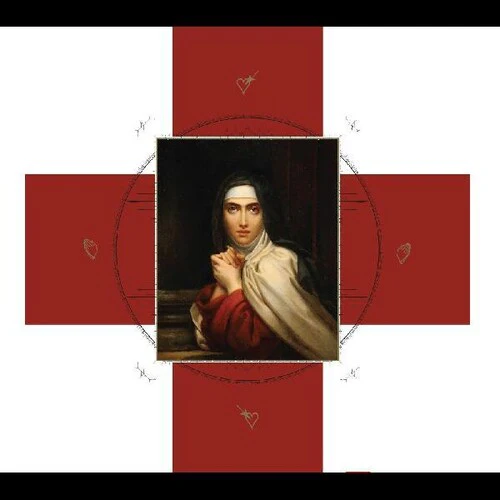
Weiss: Lute Sonatas Vol 6 / Robert Barto
Weiss: Lute Sonatas Vol 6 / Robert Barto
The connection between Johann Sebastian Bach and Sylvius Leopold Weiss goes beyond their having virtually identical dates. The two men were friends and in his young adulthood, Bach admired the more famous Weiss very much and in my opinion wrote much of his music, if not for Weiss, at least with Weiss or someone like him in mind.
Weiss was the Paganini of his day, his virtuosity amazed and overwhelmed listeners and challenged composers. Bach re-wrote much of his music, probably more than we are aware of because we only have a small number of surviving manuscripts of earlier versions. As a young man, Bach would expect to hear his music played by lutenists and clavichordists, but as these instruments fell out of favor, he could see that this was less and less likely, so he rewrote pieces to make them more suitable for harpsichord, and finally fortepiano, performance. After poring through some German essays on the subject, I am convinced Bach probably did not play the lute himself, but was interested in achieving lute sonority on harpsichords, and had at least one such “lute-harpsichord*” [*Scholars are still unsure just what that instrument was.] in his possession when he died. Recently there have been recordings of the first book of the Well Tempered Klavier which used clavichord, harpsichord, organ, and fortepiano for the various preludes and fugues, but my feeling is that one should also include some performances on the lute as well. By the time of the second volume, it is my opinion that this is a fortepiano work, and that explains why Bach rewrote many of the earlier pieces for inclusion therein, not to make them “better” but to make them more suitable for performance on the fortepiano. Professor Richard Jones particularly needs to study this point. When Weiss died in the same year as Bach, the lute as a solo virtuoso instrument virtually died with him.
Bach wrote an astonishing quantity of the finest preludes and fugues ever done but he also wrote dance pieces for his keyboard suites and his works for solo instrument. Most Bach enthusiasts pay very little attention to these dance pieces, but what is interesting is that Weiss’ pieces in similar forms are very similar in style to Bach’s and heard on the lute they are delightful. Performance of these smaller works of Bach on the lute would probably make them much more comprehensible, and in fact we have just such an instance with Paul Galbraith’s performance of the Sonatas And Partitas for solo violin on his six string guitar. It is the smaller dance pieces which gain most from this arrangement — indeed they become interesting enough to be listened to all by themselves. And that is what we hear on this recording listening to similar dances by Weiss.
A recent biography of Bach by Martin Geck enlarges the spotlight, giving much information about the surrounding circumstances in which Bach lived, deepening our understand of Bach as a man who lived in a culture and reacted to it. Another crippling legacy of Victorian musicology falls; instead of seeing all the musicians around Bach as mere imitators, and hence safely to be ignored, we see instead that they formed a musical culture in which Bach was immersed and with which he interacted profitably. A familiarity with Weiss, who spent his professional life at Dresden, 60 miles from Leipzig, is valuable to an understanding of Bach. For a long time this has been all but impossible as the music of Weiss was unknown and unplayed, presumed lost; but now we have this excellent series.
Recording perspective on Volume 6 is closer than on Volume 2 and finger slide noises are more evident. The introduzione to Sonata No.45 has a fugato section that is somewhat reminiscent of Handel’s “Harmonious Blacksmith” followed by a very Bachian courante. The sprightly bourrée is more syncopated than most Bach. The sarabande is appropriately stately, touching but not sad. The menuet is, again, sprightly with musical leaps not usually heard in a menuet. The presto is just that, but not a fugue as it would be with Bach, but rather reminiscent of the allegro from Bach’s BWV 998, a lute work, likely influenced by Weiss. If someone told you this movement was by Bach — unusually playful Bach to be sure — you would have no reason to doubt it.
The suites are apparently numbered in order of composition, so following No.45, a late work, we come to No.7, a much earlier work, beginning not with a prelude or an introduzione, but directly with a stately and thoughtful allemande, followed by a fast and rather Bachian (but not fugal) courante. The gavotte is graceful, with typical leaps, the sarabande particularly lovely and affecting. The menuet is dramatic, the gigue is as rollicking and Bachian as it can get without being a fugue. Altogether this earlier work keeps its unique personality but is not in any sense lacking in quality. Suite No.23, a work from the middle years, begins with a arpeggiated chordal prelude which leads at once into an entrée, an embellished aria; and on with the usual set of dances, finishing with a swinging saltarella — which could pass for a hornpipe — and is probably the most interesting work on the disk, showing Barto’s skill in saving the best for last, which is also true of Volume 2, the last movement on which is possibly my single favorite work by Weiss.
Throughout Mr. Barto plays with lyricism, rhythmic integrity, expression, sweetness of tone and clarity of voice — that is, amazing skill. Overall he’s every bit as good as Lindberg, perhaps with a little more drama and softness, whereas Lindberg pushes the limit on dexterity and precision. I think I like Barto’s lute, which has many of the qualities of an alto guitar, more than Lindberg’s lute which tends to “run out of breath”, but that could have more to do with the recording engineer.
-- Paul Shoemaker, MusicWeb International
Weiss was the Paganini of his day, his virtuosity amazed and overwhelmed listeners and challenged composers. Bach re-wrote much of his music, probably more than we are aware of because we only have a small number of surviving manuscripts of earlier versions. As a young man, Bach would expect to hear his music played by lutenists and clavichordists, but as these instruments fell out of favor, he could see that this was less and less likely, so he rewrote pieces to make them more suitable for harpsichord, and finally fortepiano, performance. After poring through some German essays on the subject, I am convinced Bach probably did not play the lute himself, but was interested in achieving lute sonority on harpsichords, and had at least one such “lute-harpsichord*” [*Scholars are still unsure just what that instrument was.] in his possession when he died. Recently there have been recordings of the first book of the Well Tempered Klavier which used clavichord, harpsichord, organ, and fortepiano for the various preludes and fugues, but my feeling is that one should also include some performances on the lute as well. By the time of the second volume, it is my opinion that this is a fortepiano work, and that explains why Bach rewrote many of the earlier pieces for inclusion therein, not to make them “better” but to make them more suitable for performance on the fortepiano. Professor Richard Jones particularly needs to study this point. When Weiss died in the same year as Bach, the lute as a solo virtuoso instrument virtually died with him.
Bach wrote an astonishing quantity of the finest preludes and fugues ever done but he also wrote dance pieces for his keyboard suites and his works for solo instrument. Most Bach enthusiasts pay very little attention to these dance pieces, but what is interesting is that Weiss’ pieces in similar forms are very similar in style to Bach’s and heard on the lute they are delightful. Performance of these smaller works of Bach on the lute would probably make them much more comprehensible, and in fact we have just such an instance with Paul Galbraith’s performance of the Sonatas And Partitas for solo violin on his six string guitar. It is the smaller dance pieces which gain most from this arrangement — indeed they become interesting enough to be listened to all by themselves. And that is what we hear on this recording listening to similar dances by Weiss.
A recent biography of Bach by Martin Geck enlarges the spotlight, giving much information about the surrounding circumstances in which Bach lived, deepening our understand of Bach as a man who lived in a culture and reacted to it. Another crippling legacy of Victorian musicology falls; instead of seeing all the musicians around Bach as mere imitators, and hence safely to be ignored, we see instead that they formed a musical culture in which Bach was immersed and with which he interacted profitably. A familiarity with Weiss, who spent his professional life at Dresden, 60 miles from Leipzig, is valuable to an understanding of Bach. For a long time this has been all but impossible as the music of Weiss was unknown and unplayed, presumed lost; but now we have this excellent series.
Recording perspective on Volume 6 is closer than on Volume 2 and finger slide noises are more evident. The introduzione to Sonata No.45 has a fugato section that is somewhat reminiscent of Handel’s “Harmonious Blacksmith” followed by a very Bachian courante. The sprightly bourrée is more syncopated than most Bach. The sarabande is appropriately stately, touching but not sad. The menuet is, again, sprightly with musical leaps not usually heard in a menuet. The presto is just that, but not a fugue as it would be with Bach, but rather reminiscent of the allegro from Bach’s BWV 998, a lute work, likely influenced by Weiss. If someone told you this movement was by Bach — unusually playful Bach to be sure — you would have no reason to doubt it.
The suites are apparently numbered in order of composition, so following No.45, a late work, we come to No.7, a much earlier work, beginning not with a prelude or an introduzione, but directly with a stately and thoughtful allemande, followed by a fast and rather Bachian (but not fugal) courante. The gavotte is graceful, with typical leaps, the sarabande particularly lovely and affecting. The menuet is dramatic, the gigue is as rollicking and Bachian as it can get without being a fugue. Altogether this earlier work keeps its unique personality but is not in any sense lacking in quality. Suite No.23, a work from the middle years, begins with a arpeggiated chordal prelude which leads at once into an entrée, an embellished aria; and on with the usual set of dances, finishing with a swinging saltarella — which could pass for a hornpipe — and is probably the most interesting work on the disk, showing Barto’s skill in saving the best for last, which is also true of Volume 2, the last movement on which is possibly my single favorite work by Weiss.
Throughout Mr. Barto plays with lyricism, rhythmic integrity, expression, sweetness of tone and clarity of voice — that is, amazing skill. Overall he’s every bit as good as Lindberg, perhaps with a little more drama and softness, whereas Lindberg pushes the limit on dexterity and precision. I think I like Barto’s lute, which has many of the qualities of an alto guitar, more than Lindberg’s lute which tends to “run out of breath”, but that could have more to do with the recording engineer.
-- Paul Shoemaker, MusicWeb International
$4.90
Original: $13.99
-65%Weiss: Lute Sonatas Vol 6 / Robert Barto—
$13.99
$4.90Product Information
Product Information
Shipping & Returns
Shipping & Returns
Description
The connection between Johann Sebastian Bach and Sylvius Leopold Weiss goes beyond their having virtually identical dates. The two men were friends and in his young adulthood, Bach admired the more famous Weiss very much and in my opinion wrote much of his music, if not for Weiss, at least with Weiss or someone like him in mind.
Weiss was the Paganini of his day, his virtuosity amazed and overwhelmed listeners and challenged composers. Bach re-wrote much of his music, probably more than we are aware of because we only have a small number of surviving manuscripts of earlier versions. As a young man, Bach would expect to hear his music played by lutenists and clavichordists, but as these instruments fell out of favor, he could see that this was less and less likely, so he rewrote pieces to make them more suitable for harpsichord, and finally fortepiano, performance. After poring through some German essays on the subject, I am convinced Bach probably did not play the lute himself, but was interested in achieving lute sonority on harpsichords, and had at least one such “lute-harpsichord*” [*Scholars are still unsure just what that instrument was.] in his possession when he died. Recently there have been recordings of the first book of the Well Tempered Klavier which used clavichord, harpsichord, organ, and fortepiano for the various preludes and fugues, but my feeling is that one should also include some performances on the lute as well. By the time of the second volume, it is my opinion that this is a fortepiano work, and that explains why Bach rewrote many of the earlier pieces for inclusion therein, not to make them “better” but to make them more suitable for performance on the fortepiano. Professor Richard Jones particularly needs to study this point. When Weiss died in the same year as Bach, the lute as a solo virtuoso instrument virtually died with him.
Bach wrote an astonishing quantity of the finest preludes and fugues ever done but he also wrote dance pieces for his keyboard suites and his works for solo instrument. Most Bach enthusiasts pay very little attention to these dance pieces, but what is interesting is that Weiss’ pieces in similar forms are very similar in style to Bach’s and heard on the lute they are delightful. Performance of these smaller works of Bach on the lute would probably make them much more comprehensible, and in fact we have just such an instance with Paul Galbraith’s performance of the Sonatas And Partitas for solo violin on his six string guitar. It is the smaller dance pieces which gain most from this arrangement — indeed they become interesting enough to be listened to all by themselves. And that is what we hear on this recording listening to similar dances by Weiss.
A recent biography of Bach by Martin Geck enlarges the spotlight, giving much information about the surrounding circumstances in which Bach lived, deepening our understand of Bach as a man who lived in a culture and reacted to it. Another crippling legacy of Victorian musicology falls; instead of seeing all the musicians around Bach as mere imitators, and hence safely to be ignored, we see instead that they formed a musical culture in which Bach was immersed and with which he interacted profitably. A familiarity with Weiss, who spent his professional life at Dresden, 60 miles from Leipzig, is valuable to an understanding of Bach. For a long time this has been all but impossible as the music of Weiss was unknown and unplayed, presumed lost; but now we have this excellent series.
Recording perspective on Volume 6 is closer than on Volume 2 and finger slide noises are more evident. The introduzione to Sonata No.45 has a fugato section that is somewhat reminiscent of Handel’s “Harmonious Blacksmith” followed by a very Bachian courante. The sprightly bourrée is more syncopated than most Bach. The sarabande is appropriately stately, touching but not sad. The menuet is, again, sprightly with musical leaps not usually heard in a menuet. The presto is just that, but not a fugue as it would be with Bach, but rather reminiscent of the allegro from Bach’s BWV 998, a lute work, likely influenced by Weiss. If someone told you this movement was by Bach — unusually playful Bach to be sure — you would have no reason to doubt it.
The suites are apparently numbered in order of composition, so following No.45, a late work, we come to No.7, a much earlier work, beginning not with a prelude or an introduzione, but directly with a stately and thoughtful allemande, followed by a fast and rather Bachian (but not fugal) courante. The gavotte is graceful, with typical leaps, the sarabande particularly lovely and affecting. The menuet is dramatic, the gigue is as rollicking and Bachian as it can get without being a fugue. Altogether this earlier work keeps its unique personality but is not in any sense lacking in quality. Suite No.23, a work from the middle years, begins with a arpeggiated chordal prelude which leads at once into an entrée, an embellished aria; and on with the usual set of dances, finishing with a swinging saltarella — which could pass for a hornpipe — and is probably the most interesting work on the disk, showing Barto’s skill in saving the best for last, which is also true of Volume 2, the last movement on which is possibly my single favorite work by Weiss.
Throughout Mr. Barto plays with lyricism, rhythmic integrity, expression, sweetness of tone and clarity of voice — that is, amazing skill. Overall he’s every bit as good as Lindberg, perhaps with a little more drama and softness, whereas Lindberg pushes the limit on dexterity and precision. I think I like Barto’s lute, which has many of the qualities of an alto guitar, more than Lindberg’s lute which tends to “run out of breath”, but that could have more to do with the recording engineer.
-- Paul Shoemaker, MusicWeb International
Weiss was the Paganini of his day, his virtuosity amazed and overwhelmed listeners and challenged composers. Bach re-wrote much of his music, probably more than we are aware of because we only have a small number of surviving manuscripts of earlier versions. As a young man, Bach would expect to hear his music played by lutenists and clavichordists, but as these instruments fell out of favor, he could see that this was less and less likely, so he rewrote pieces to make them more suitable for harpsichord, and finally fortepiano, performance. After poring through some German essays on the subject, I am convinced Bach probably did not play the lute himself, but was interested in achieving lute sonority on harpsichords, and had at least one such “lute-harpsichord*” [*Scholars are still unsure just what that instrument was.] in his possession when he died. Recently there have been recordings of the first book of the Well Tempered Klavier which used clavichord, harpsichord, organ, and fortepiano for the various preludes and fugues, but my feeling is that one should also include some performances on the lute as well. By the time of the second volume, it is my opinion that this is a fortepiano work, and that explains why Bach rewrote many of the earlier pieces for inclusion therein, not to make them “better” but to make them more suitable for performance on the fortepiano. Professor Richard Jones particularly needs to study this point. When Weiss died in the same year as Bach, the lute as a solo virtuoso instrument virtually died with him.
Bach wrote an astonishing quantity of the finest preludes and fugues ever done but he also wrote dance pieces for his keyboard suites and his works for solo instrument. Most Bach enthusiasts pay very little attention to these dance pieces, but what is interesting is that Weiss’ pieces in similar forms are very similar in style to Bach’s and heard on the lute they are delightful. Performance of these smaller works of Bach on the lute would probably make them much more comprehensible, and in fact we have just such an instance with Paul Galbraith’s performance of the Sonatas And Partitas for solo violin on his six string guitar. It is the smaller dance pieces which gain most from this arrangement — indeed they become interesting enough to be listened to all by themselves. And that is what we hear on this recording listening to similar dances by Weiss.
A recent biography of Bach by Martin Geck enlarges the spotlight, giving much information about the surrounding circumstances in which Bach lived, deepening our understand of Bach as a man who lived in a culture and reacted to it. Another crippling legacy of Victorian musicology falls; instead of seeing all the musicians around Bach as mere imitators, and hence safely to be ignored, we see instead that they formed a musical culture in which Bach was immersed and with which he interacted profitably. A familiarity with Weiss, who spent his professional life at Dresden, 60 miles from Leipzig, is valuable to an understanding of Bach. For a long time this has been all but impossible as the music of Weiss was unknown and unplayed, presumed lost; but now we have this excellent series.
Recording perspective on Volume 6 is closer than on Volume 2 and finger slide noises are more evident. The introduzione to Sonata No.45 has a fugato section that is somewhat reminiscent of Handel’s “Harmonious Blacksmith” followed by a very Bachian courante. The sprightly bourrée is more syncopated than most Bach. The sarabande is appropriately stately, touching but not sad. The menuet is, again, sprightly with musical leaps not usually heard in a menuet. The presto is just that, but not a fugue as it would be with Bach, but rather reminiscent of the allegro from Bach’s BWV 998, a lute work, likely influenced by Weiss. If someone told you this movement was by Bach — unusually playful Bach to be sure — you would have no reason to doubt it.
The suites are apparently numbered in order of composition, so following No.45, a late work, we come to No.7, a much earlier work, beginning not with a prelude or an introduzione, but directly with a stately and thoughtful allemande, followed by a fast and rather Bachian (but not fugal) courante. The gavotte is graceful, with typical leaps, the sarabande particularly lovely and affecting. The menuet is dramatic, the gigue is as rollicking and Bachian as it can get without being a fugue. Altogether this earlier work keeps its unique personality but is not in any sense lacking in quality. Suite No.23, a work from the middle years, begins with a arpeggiated chordal prelude which leads at once into an entrée, an embellished aria; and on with the usual set of dances, finishing with a swinging saltarella — which could pass for a hornpipe — and is probably the most interesting work on the disk, showing Barto’s skill in saving the best for last, which is also true of Volume 2, the last movement on which is possibly my single favorite work by Weiss.
Throughout Mr. Barto plays with lyricism, rhythmic integrity, expression, sweetness of tone and clarity of voice — that is, amazing skill. Overall he’s every bit as good as Lindberg, perhaps with a little more drama and softness, whereas Lindberg pushes the limit on dexterity and precision. I think I like Barto’s lute, which has many of the qualities of an alto guitar, more than Lindberg’s lute which tends to “run out of breath”, but that could have more to do with the recording engineer.
-- Paul Shoemaker, MusicWeb International