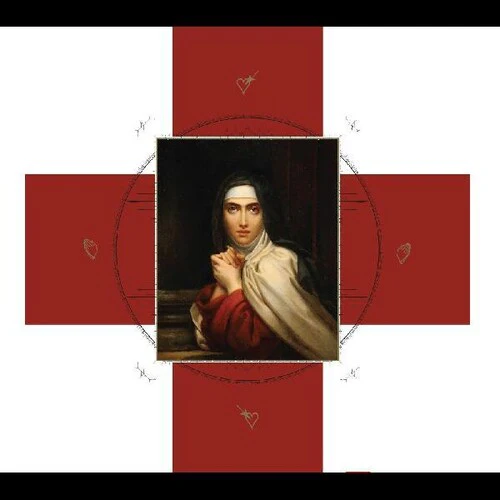
Parthenia / Alina Rotaru
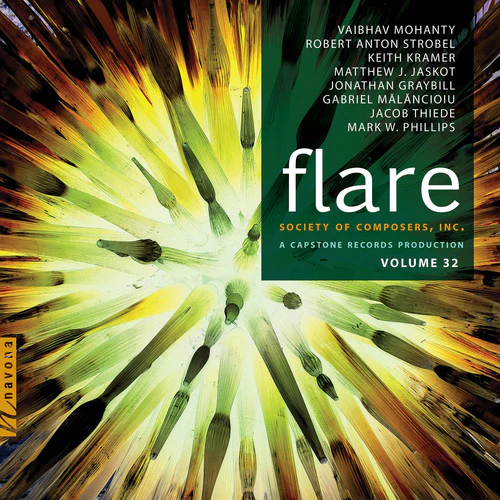
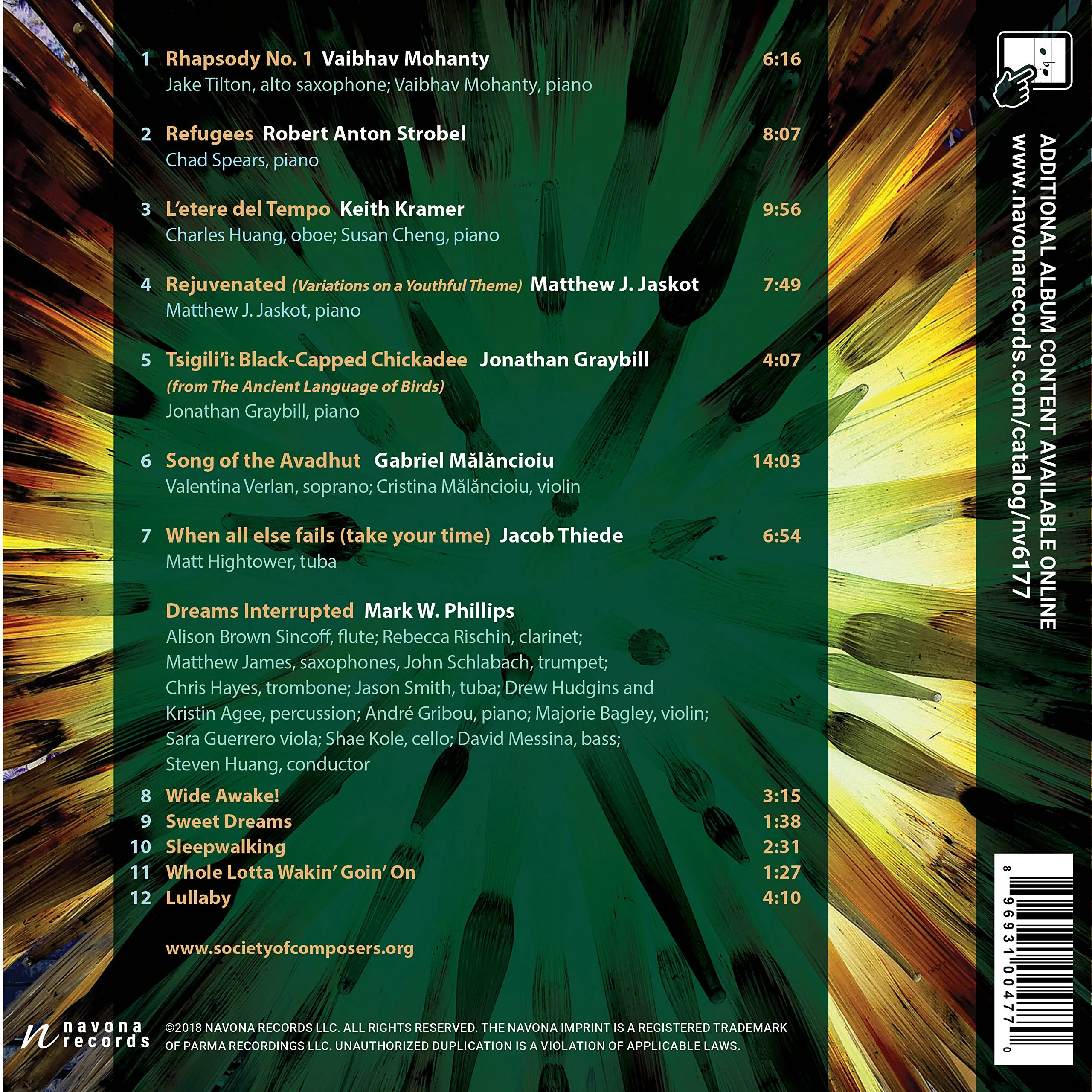
Parthenia, or the Maydenhead of the first musicke that was ever printed for the Virginalls, is perhaps the most important early publication of English keyboard music. It was first published either late 1612 or early 1613 and, as its title indicates, was the first printed collection of keyboard music to appear in England. The “mastermind” behind Parthenia was the engraver William Hole, who conceived it as a wedding gift to Princess Elizabeth Stuart (the second child and eldest daughter of James VI and I) and Frederick V, Elector Palatine of the Rhine. Stage plays, musical performances, mock battles on the Thames, and fireworks were featured in the festivities which accompanied the ceremony. The original dedication to Parthenia contains a somewhat cryptic passage that singles out the “neighbor letters E and F, the vowel that makes so sweet a Consonat, Her notes so linkt and wedded together seeme liuely Hierogliphicks of the harmony of marriage…” The author has linked these two together because they represent the royal couple, E referring to Elizabeth and F to Frederick. These two pitches play a central role in the piece, being the two opening notes and each section following begins alternately on E or F.
Product Information
Product Information
Shipping & Returns
Shipping & Returns


Parthenia / Alina Rotaru
Parthenia / Alina Rotaru
Parthenia, or the Maydenhead of the first musicke that was ever printed for the Virginalls, is perhaps the most important early publication of English keyboard music. It was first published either late 1612 or early 1613 and, as its title indicates, was the first printed collection of keyboard music to appear in England. The “mastermind” behind Parthenia was the engraver William Hole, who conceived it as a wedding gift to Princess Elizabeth Stuart (the second child and eldest daughter of James VI and I) and Frederick V, Elector Palatine of the Rhine. Stage plays, musical performances, mock battles on the Thames, and fireworks were featured in the festivities which accompanied the ceremony. The original dedication to Parthenia contains a somewhat cryptic passage that singles out the “neighbor letters E and F, the vowel that makes so sweet a Consonat, Her notes so linkt and wedded together seeme liuely Hierogliphicks of the harmony of marriage…” The author has linked these two together because they represent the royal couple, E referring to Elizabeth and F to Frederick. These two pitches play a central role in the piece, being the two opening notes and each section following begins alternately on E or F.
Product Information
Product Information
Shipping & Returns
Shipping & Returns
Description
Parthenia, or the Maydenhead of the first musicke that was ever printed for the Virginalls, is perhaps the most important early publication of English keyboard music. It was first published either late 1612 or early 1613 and, as its title indicates, was the first printed collection of keyboard music to appear in England. The “mastermind” behind Parthenia was the engraver William Hole, who conceived it as a wedding gift to Princess Elizabeth Stuart (the second child and eldest daughter of James VI and I) and Frederick V, Elector Palatine of the Rhine. Stage plays, musical performances, mock battles on the Thames, and fireworks were featured in the festivities which accompanied the ceremony. The original dedication to Parthenia contains a somewhat cryptic passage that singles out the “neighbor letters E and F, the vowel that makes so sweet a Consonat, Her notes so linkt and wedded together seeme liuely Hierogliphicks of the harmony of marriage…” The author has linked these two together because they represent the royal couple, E referring to Elizabeth and F to Frederick. These two pitches play a central role in the piece, being the two opening notes and each section following begins alternately on E or F.