🚚 Free Worldwide Shipping on All Orders!Shop Now
Messiaen: Quatuor pour la fin du temps / Hausmann, Amatis Trio
The Quatuor pour la fin du temps counts as one of the harrowing musicals heritages of a horrible past history. Messiaen wrote it in 1941 while caught in a German concentration camp, and based the work on resources available. The work, which is more than 50 minutes in length, is a maximum condense on a harrowing musician’s thoughts, composed under psychological pressure, distress and horror, and also out of pure despair. The piece counts as one of the most difficult musical works to play; it needs an enormous amount of concentration and psychological power. “The work,” as Messiaen writes, “is directly inspired by the Revelation of St. John. Its musical language is essentially transcendental, spiritual, catholic. Certain modes, realizing a kind of tonal ubiquity in terms of harmony and melody, draw the listener into a sense of the eternity of space or time. Special rhythms, lying outside any sort of measure, contribute significantly toward the banishment of the concept of time.”
Product Information
Product Information
Shipping & Returns
Shipping & Returns
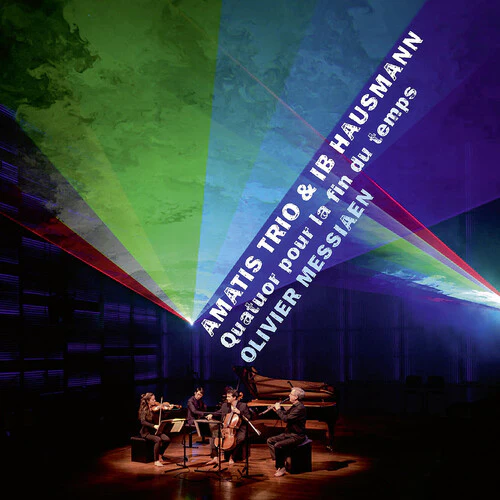
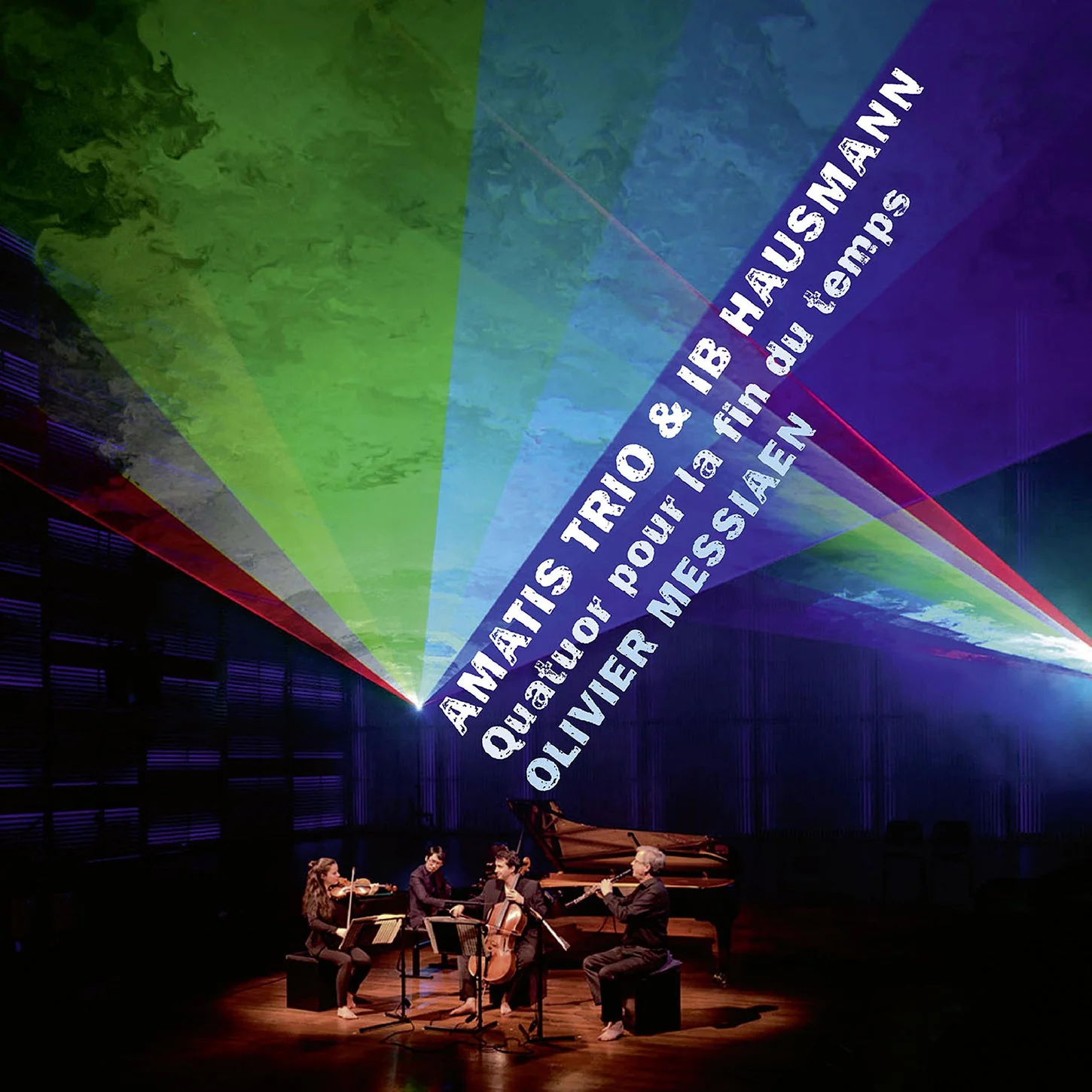
Messiaen: Quatuor pour la fin du temps / Hausmann, Amatis Trio
Messiaen: Quatuor pour la fin du temps / Hausmann, Amatis Trio
The Quatuor pour la fin du temps counts as one of the harrowing musicals heritages of a horrible past history. Messiaen wrote it in 1941 while caught in a German concentration camp, and based the work on resources available. The work, which is more than 50 minutes in length, is a maximum condense on a harrowing musician’s thoughts, composed under psychological pressure, distress and horror, and also out of pure despair. The piece counts as one of the most difficult musical works to play; it needs an enormous amount of concentration and psychological power. “The work,” as Messiaen writes, “is directly inspired by the Revelation of St. John. Its musical language is essentially transcendental, spiritual, catholic. Certain modes, realizing a kind of tonal ubiquity in terms of harmony and melody, draw the listener into a sense of the eternity of space or time. Special rhythms, lying outside any sort of measure, contribute significantly toward the banishment of the concept of time.”
$19.99
Messiaen: Quatuor pour la fin du temps / Hausmann, Amatis Trio—
$19.99
Product Information
Product Information
Shipping & Returns
Shipping & Returns
Description
The Quatuor pour la fin du temps counts as one of the harrowing musicals heritages of a horrible past history. Messiaen wrote it in 1941 while caught in a German concentration camp, and based the work on resources available. The work, which is more than 50 minutes in length, is a maximum condense on a harrowing musician’s thoughts, composed under psychological pressure, distress and horror, and also out of pure despair. The piece counts as one of the most difficult musical works to play; it needs an enormous amount of concentration and psychological power. “The work,” as Messiaen writes, “is directly inspired by the Revelation of St. John. Its musical language is essentially transcendental, spiritual, catholic. Certain modes, realizing a kind of tonal ubiquity in terms of harmony and melody, draw the listener into a sense of the eternity of space or time. Special rhythms, lying outside any sort of measure, contribute significantly toward the banishment of the concept of time.”