🚚 Free Worldwide Shipping on All Orders!Shop Now
Messager: Les P'tites Michu / Dumoussaud, Pays de la Loire National Orchestra
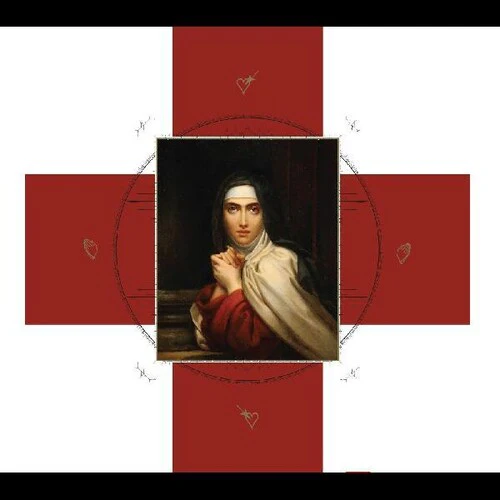
Formed to promote French Romantic repertoire, Palazzetto Bru Zane is doing sterling work with its Book+CD series. I’m especially enjoying exploring the Opéra français releases and with Les P'tites Michu the series has reached volume 19; a limited edition of 3,000. Incidentally Palazzetto Bru Zane has ceased using Ediciones Singulares as the title of its label which is now called Bru Zane.
Messager was a leading figure in French operetta in the late 1800s and, as a composer of mainly stage works (opéras comiques, opérettes and ballets), is probably best known today for his ballet Les Deux Pigeons. As an admirer of French Romantic music, I am delighted to receive this newly released two CD set of Messager’s Les P'tites Michu (The Little Michus), an operetta I previously knew only by name.
Premièred in November 1897 Les P'tites Michu, an opérette in three acts, quickly became a great success both at home, enjoying one hundred and fifty performances at the Théâtre des Bouffes-Parisiens, and abroad notably being staged in London and on Broadway. Les P'tites Michu had been written in the wake of several embarrassing failures for Messager, particularly his humiliation with Le chevalier d'Harmental at the Opéra-Comique in 1896, where it was pulled after only six performances. As providence would have it, whilst in England Messager received an unsolicited libretto through the post for the opérette Les P'tites Michu sent by renowned librettists Albert Vanloo and Georges Duval. Messager didn’t know that the libretto had already been rejected by three composers, but clearly fully motivated, he completed the score in just three months. The plot briefly concerns the identities of two little girls, one the daughter of Marquis des Ifs and the other a daughter of Michu who runs a cheese shop. Whilst in his care, Michu mixes up the two girls whilst giving them a bath. Years later, on Blanche-Marie’s wedding day, the Marquis notices her resemblance to his late wife and realises that she must be his daughter.
This recording is taken from live performances at Théâtre Graslin, Nantes with stage direction by Rémy Barché. A fine French cast has been assembled, bringing this sun-drenched comedy to life with singing that sparkles from start to finish. My highlight is from Act Two with soprano Anne-Aurore Cochet and mezzo Violette Polchi singing Blanche-Marie’s and Marie-Blanche’s quite delightful duet Ah! Quel malheur, quel malheur (Oh, what a misfortune). From Act One, in the role of shop assistant Aristide, tenor Artavazd Sargsyan copes well with the couplets Blanche-Marie est douce et bonne (Blanche-Marie is gentle and kind). I notice André Noël (1892-1967) a tenor at the Opéra-Comique made a fascinating early recording of this piece on a collection of his operetta arias for Pathé (N° X. 90019 - N 203201 Choudens) which can be viewed on YouTube. Excelling here in the Act Three Romance a dreamy waltz Vois-tu, je m'en veux à moi-même (You see, I blame myself), Anne-Aurore Cochet is in charming voice as she laments her dreary existence and misses her boarding school. Susan Graham on her 2002 Erato album ‘French Operetta Arias’ has championed Blanche-Marie’s Romance which is a real gem. It’s also contained in her 2010 box set ‘The Art of Susan Graham’ (review). Additionally from act three is Blanche-Marie and Gaston’s attractive duet Rassurez-vous monsieur Gaston (Don’t worry, monsieur Gaston) as they capture the innocence of concealing their sorrow from each other. As the hearty army captain, the smoky tones of Philippe Estèphe contrast well with the Anne-Aurore Cochet’s girlish innocence. Directed by choir-master Xavier Ribes, the Chœur d'Angers Nantes Opéra is in fine order, singing with assurance and unity which are especially noticeable in the splendid Halles ensemble Marchandes et Marchands from Act Three. Under the baton of Pierre Dumoussaud, the Orchestre national des Pays de la Loire (using some forty-five players) performs with verve and sparkle.
Sumptuously presented, the two CDs fit inside a 176-page hard-back book which includes essays, a synopsis and French texts together with an English translation placed alongside. A slight grumble concerns the article ‘P'tites Michu, number by number’ where the pieces discussed are not linked to track numbers. Recorded live in May 2018 at Théâtre Graslin, Nantes, the overall sound has a satisfying quality and is well balanced. Not surprisingly, the recording has some minor stage noise and applause has been retained at the conclusion.
Bru Zane’s Opéra français series continues to captivate and with Messager’s opérette Les P'tites Michu grandly maintains its high standards.
– MusicWeb International (Michael Cookson)
Messager was a leading figure in French operetta in the late 1800s and, as a composer of mainly stage works (opéras comiques, opérettes and ballets), is probably best known today for his ballet Les Deux Pigeons. As an admirer of French Romantic music, I am delighted to receive this newly released two CD set of Messager’s Les P'tites Michu (The Little Michus), an operetta I previously knew only by name.
Premièred in November 1897 Les P'tites Michu, an opérette in three acts, quickly became a great success both at home, enjoying one hundred and fifty performances at the Théâtre des Bouffes-Parisiens, and abroad notably being staged in London and on Broadway. Les P'tites Michu had been written in the wake of several embarrassing failures for Messager, particularly his humiliation with Le chevalier d'Harmental at the Opéra-Comique in 1896, where it was pulled after only six performances. As providence would have it, whilst in England Messager received an unsolicited libretto through the post for the opérette Les P'tites Michu sent by renowned librettists Albert Vanloo and Georges Duval. Messager didn’t know that the libretto had already been rejected by three composers, but clearly fully motivated, he completed the score in just three months. The plot briefly concerns the identities of two little girls, one the daughter of Marquis des Ifs and the other a daughter of Michu who runs a cheese shop. Whilst in his care, Michu mixes up the two girls whilst giving them a bath. Years later, on Blanche-Marie’s wedding day, the Marquis notices her resemblance to his late wife and realises that she must be his daughter.
This recording is taken from live performances at Théâtre Graslin, Nantes with stage direction by Rémy Barché. A fine French cast has been assembled, bringing this sun-drenched comedy to life with singing that sparkles from start to finish. My highlight is from Act Two with soprano Anne-Aurore Cochet and mezzo Violette Polchi singing Blanche-Marie’s and Marie-Blanche’s quite delightful duet Ah! Quel malheur, quel malheur (Oh, what a misfortune). From Act One, in the role of shop assistant Aristide, tenor Artavazd Sargsyan copes well with the couplets Blanche-Marie est douce et bonne (Blanche-Marie is gentle and kind). I notice André Noël (1892-1967) a tenor at the Opéra-Comique made a fascinating early recording of this piece on a collection of his operetta arias for Pathé (N° X. 90019 - N 203201 Choudens) which can be viewed on YouTube. Excelling here in the Act Three Romance a dreamy waltz Vois-tu, je m'en veux à moi-même (You see, I blame myself), Anne-Aurore Cochet is in charming voice as she laments her dreary existence and misses her boarding school. Susan Graham on her 2002 Erato album ‘French Operetta Arias’ has championed Blanche-Marie’s Romance which is a real gem. It’s also contained in her 2010 box set ‘The Art of Susan Graham’ (review). Additionally from act three is Blanche-Marie and Gaston’s attractive duet Rassurez-vous monsieur Gaston (Don’t worry, monsieur Gaston) as they capture the innocence of concealing their sorrow from each other. As the hearty army captain, the smoky tones of Philippe Estèphe contrast well with the Anne-Aurore Cochet’s girlish innocence. Directed by choir-master Xavier Ribes, the Chœur d'Angers Nantes Opéra is in fine order, singing with assurance and unity which are especially noticeable in the splendid Halles ensemble Marchandes et Marchands from Act Three. Under the baton of Pierre Dumoussaud, the Orchestre national des Pays de la Loire (using some forty-five players) performs with verve and sparkle.
Sumptuously presented, the two CDs fit inside a 176-page hard-back book which includes essays, a synopsis and French texts together with an English translation placed alongside. A slight grumble concerns the article ‘P'tites Michu, number by number’ where the pieces discussed are not linked to track numbers. Recorded live in May 2018 at Théâtre Graslin, Nantes, the overall sound has a satisfying quality and is well balanced. Not surprisingly, the recording has some minor stage noise and applause has been retained at the conclusion.
Bru Zane’s Opéra français series continues to captivate and with Messager’s opérette Les P'tites Michu grandly maintains its high standards.
– MusicWeb International (Michael Cookson)
Product Information
Product Information
Shipping & Returns
Shipping & Returns


Messager: Les P'tites Michu / Dumoussaud, Pays de la Loire National Orchestra
Messager: Les P'tites Michu / Dumoussaud, Pays de la Loire National Orchestra
Formed to promote French Romantic repertoire, Palazzetto Bru Zane is doing sterling work with its Book+CD series. I’m especially enjoying exploring the Opéra français releases and with Les P'tites Michu the series has reached volume 19; a limited edition of 3,000. Incidentally Palazzetto Bru Zane has ceased using Ediciones Singulares as the title of its label which is now called Bru Zane.
Messager was a leading figure in French operetta in the late 1800s and, as a composer of mainly stage works (opéras comiques, opérettes and ballets), is probably best known today for his ballet Les Deux Pigeons. As an admirer of French Romantic music, I am delighted to receive this newly released two CD set of Messager’s Les P'tites Michu (The Little Michus), an operetta I previously knew only by name.
Premièred in November 1897 Les P'tites Michu, an opérette in three acts, quickly became a great success both at home, enjoying one hundred and fifty performances at the Théâtre des Bouffes-Parisiens, and abroad notably being staged in London and on Broadway. Les P'tites Michu had been written in the wake of several embarrassing failures for Messager, particularly his humiliation with Le chevalier d'Harmental at the Opéra-Comique in 1896, where it was pulled after only six performances. As providence would have it, whilst in England Messager received an unsolicited libretto through the post for the opérette Les P'tites Michu sent by renowned librettists Albert Vanloo and Georges Duval. Messager didn’t know that the libretto had already been rejected by three composers, but clearly fully motivated, he completed the score in just three months. The plot briefly concerns the identities of two little girls, one the daughter of Marquis des Ifs and the other a daughter of Michu who runs a cheese shop. Whilst in his care, Michu mixes up the two girls whilst giving them a bath. Years later, on Blanche-Marie’s wedding day, the Marquis notices her resemblance to his late wife and realises that she must be his daughter.
This recording is taken from live performances at Théâtre Graslin, Nantes with stage direction by Rémy Barché. A fine French cast has been assembled, bringing this sun-drenched comedy to life with singing that sparkles from start to finish. My highlight is from Act Two with soprano Anne-Aurore Cochet and mezzo Violette Polchi singing Blanche-Marie’s and Marie-Blanche’s quite delightful duet Ah! Quel malheur, quel malheur (Oh, what a misfortune). From Act One, in the role of shop assistant Aristide, tenor Artavazd Sargsyan copes well with the couplets Blanche-Marie est douce et bonne (Blanche-Marie is gentle and kind). I notice André Noël (1892-1967) a tenor at the Opéra-Comique made a fascinating early recording of this piece on a collection of his operetta arias for Pathé (N° X. 90019 - N 203201 Choudens) which can be viewed on YouTube. Excelling here in the Act Three Romance a dreamy waltz Vois-tu, je m'en veux à moi-même (You see, I blame myself), Anne-Aurore Cochet is in charming voice as she laments her dreary existence and misses her boarding school. Susan Graham on her 2002 Erato album ‘French Operetta Arias’ has championed Blanche-Marie’s Romance which is a real gem. It’s also contained in her 2010 box set ‘The Art of Susan Graham’ (review). Additionally from act three is Blanche-Marie and Gaston’s attractive duet Rassurez-vous monsieur Gaston (Don’t worry, monsieur Gaston) as they capture the innocence of concealing their sorrow from each other. As the hearty army captain, the smoky tones of Philippe Estèphe contrast well with the Anne-Aurore Cochet’s girlish innocence. Directed by choir-master Xavier Ribes, the Chœur d'Angers Nantes Opéra is in fine order, singing with assurance and unity which are especially noticeable in the splendid Halles ensemble Marchandes et Marchands from Act Three. Under the baton of Pierre Dumoussaud, the Orchestre national des Pays de la Loire (using some forty-five players) performs with verve and sparkle.
Sumptuously presented, the two CDs fit inside a 176-page hard-back book which includes essays, a synopsis and French texts together with an English translation placed alongside. A slight grumble concerns the article ‘P'tites Michu, number by number’ where the pieces discussed are not linked to track numbers. Recorded live in May 2018 at Théâtre Graslin, Nantes, the overall sound has a satisfying quality and is well balanced. Not surprisingly, the recording has some minor stage noise and applause has been retained at the conclusion.
Bru Zane’s Opéra français series continues to captivate and with Messager’s opérette Les P'tites Michu grandly maintains its high standards.
– MusicWeb International (Michael Cookson)
Messager was a leading figure in French operetta in the late 1800s and, as a composer of mainly stage works (opéras comiques, opérettes and ballets), is probably best known today for his ballet Les Deux Pigeons. As an admirer of French Romantic music, I am delighted to receive this newly released two CD set of Messager’s Les P'tites Michu (The Little Michus), an operetta I previously knew only by name.
Premièred in November 1897 Les P'tites Michu, an opérette in three acts, quickly became a great success both at home, enjoying one hundred and fifty performances at the Théâtre des Bouffes-Parisiens, and abroad notably being staged in London and on Broadway. Les P'tites Michu had been written in the wake of several embarrassing failures for Messager, particularly his humiliation with Le chevalier d'Harmental at the Opéra-Comique in 1896, where it was pulled after only six performances. As providence would have it, whilst in England Messager received an unsolicited libretto through the post for the opérette Les P'tites Michu sent by renowned librettists Albert Vanloo and Georges Duval. Messager didn’t know that the libretto had already been rejected by three composers, but clearly fully motivated, he completed the score in just three months. The plot briefly concerns the identities of two little girls, one the daughter of Marquis des Ifs and the other a daughter of Michu who runs a cheese shop. Whilst in his care, Michu mixes up the two girls whilst giving them a bath. Years later, on Blanche-Marie’s wedding day, the Marquis notices her resemblance to his late wife and realises that she must be his daughter.
This recording is taken from live performances at Théâtre Graslin, Nantes with stage direction by Rémy Barché. A fine French cast has been assembled, bringing this sun-drenched comedy to life with singing that sparkles from start to finish. My highlight is from Act Two with soprano Anne-Aurore Cochet and mezzo Violette Polchi singing Blanche-Marie’s and Marie-Blanche’s quite delightful duet Ah! Quel malheur, quel malheur (Oh, what a misfortune). From Act One, in the role of shop assistant Aristide, tenor Artavazd Sargsyan copes well with the couplets Blanche-Marie est douce et bonne (Blanche-Marie is gentle and kind). I notice André Noël (1892-1967) a tenor at the Opéra-Comique made a fascinating early recording of this piece on a collection of his operetta arias for Pathé (N° X. 90019 - N 203201 Choudens) which can be viewed on YouTube. Excelling here in the Act Three Romance a dreamy waltz Vois-tu, je m'en veux à moi-même (You see, I blame myself), Anne-Aurore Cochet is in charming voice as she laments her dreary existence and misses her boarding school. Susan Graham on her 2002 Erato album ‘French Operetta Arias’ has championed Blanche-Marie’s Romance which is a real gem. It’s also contained in her 2010 box set ‘The Art of Susan Graham’ (review). Additionally from act three is Blanche-Marie and Gaston’s attractive duet Rassurez-vous monsieur Gaston (Don’t worry, monsieur Gaston) as they capture the innocence of concealing their sorrow from each other. As the hearty army captain, the smoky tones of Philippe Estèphe contrast well with the Anne-Aurore Cochet’s girlish innocence. Directed by choir-master Xavier Ribes, the Chœur d'Angers Nantes Opéra is in fine order, singing with assurance and unity which are especially noticeable in the splendid Halles ensemble Marchandes et Marchands from Act Three. Under the baton of Pierre Dumoussaud, the Orchestre national des Pays de la Loire (using some forty-five players) performs with verve and sparkle.
Sumptuously presented, the two CDs fit inside a 176-page hard-back book which includes essays, a synopsis and French texts together with an English translation placed alongside. A slight grumble concerns the article ‘P'tites Michu, number by number’ where the pieces discussed are not linked to track numbers. Recorded live in May 2018 at Théâtre Graslin, Nantes, the overall sound has a satisfying quality and is well balanced. Not surprisingly, the recording has some minor stage noise and applause has been retained at the conclusion.
Bru Zane’s Opéra français series continues to captivate and with Messager’s opérette Les P'tites Michu grandly maintains its high standards.
– MusicWeb International (Michael Cookson)
$15.05
Original: $42.99
-65%Messager: Les P'tites Michu / Dumoussaud, Pays de la Loire National Orchestra—
$42.99
$15.05Product Information
Product Information
Shipping & Returns
Shipping & Returns
Description
Formed to promote French Romantic repertoire, Palazzetto Bru Zane is doing sterling work with its Book+CD series. I’m especially enjoying exploring the Opéra français releases and with Les P'tites Michu the series has reached volume 19; a limited edition of 3,000. Incidentally Palazzetto Bru Zane has ceased using Ediciones Singulares as the title of its label which is now called Bru Zane.
Messager was a leading figure in French operetta in the late 1800s and, as a composer of mainly stage works (opéras comiques, opérettes and ballets), is probably best known today for his ballet Les Deux Pigeons. As an admirer of French Romantic music, I am delighted to receive this newly released two CD set of Messager’s Les P'tites Michu (The Little Michus), an operetta I previously knew only by name.
Premièred in November 1897 Les P'tites Michu, an opérette in three acts, quickly became a great success both at home, enjoying one hundred and fifty performances at the Théâtre des Bouffes-Parisiens, and abroad notably being staged in London and on Broadway. Les P'tites Michu had been written in the wake of several embarrassing failures for Messager, particularly his humiliation with Le chevalier d'Harmental at the Opéra-Comique in 1896, where it was pulled after only six performances. As providence would have it, whilst in England Messager received an unsolicited libretto through the post for the opérette Les P'tites Michu sent by renowned librettists Albert Vanloo and Georges Duval. Messager didn’t know that the libretto had already been rejected by three composers, but clearly fully motivated, he completed the score in just three months. The plot briefly concerns the identities of two little girls, one the daughter of Marquis des Ifs and the other a daughter of Michu who runs a cheese shop. Whilst in his care, Michu mixes up the two girls whilst giving them a bath. Years later, on Blanche-Marie’s wedding day, the Marquis notices her resemblance to his late wife and realises that she must be his daughter.
This recording is taken from live performances at Théâtre Graslin, Nantes with stage direction by Rémy Barché. A fine French cast has been assembled, bringing this sun-drenched comedy to life with singing that sparkles from start to finish. My highlight is from Act Two with soprano Anne-Aurore Cochet and mezzo Violette Polchi singing Blanche-Marie’s and Marie-Blanche’s quite delightful duet Ah! Quel malheur, quel malheur (Oh, what a misfortune). From Act One, in the role of shop assistant Aristide, tenor Artavazd Sargsyan copes well with the couplets Blanche-Marie est douce et bonne (Blanche-Marie is gentle and kind). I notice André Noël (1892-1967) a tenor at the Opéra-Comique made a fascinating early recording of this piece on a collection of his operetta arias for Pathé (N° X. 90019 - N 203201 Choudens) which can be viewed on YouTube. Excelling here in the Act Three Romance a dreamy waltz Vois-tu, je m'en veux à moi-même (You see, I blame myself), Anne-Aurore Cochet is in charming voice as she laments her dreary existence and misses her boarding school. Susan Graham on her 2002 Erato album ‘French Operetta Arias’ has championed Blanche-Marie’s Romance which is a real gem. It’s also contained in her 2010 box set ‘The Art of Susan Graham’ (review). Additionally from act three is Blanche-Marie and Gaston’s attractive duet Rassurez-vous monsieur Gaston (Don’t worry, monsieur Gaston) as they capture the innocence of concealing their sorrow from each other. As the hearty army captain, the smoky tones of Philippe Estèphe contrast well with the Anne-Aurore Cochet’s girlish innocence. Directed by choir-master Xavier Ribes, the Chœur d'Angers Nantes Opéra is in fine order, singing with assurance and unity which are especially noticeable in the splendid Halles ensemble Marchandes et Marchands from Act Three. Under the baton of Pierre Dumoussaud, the Orchestre national des Pays de la Loire (using some forty-five players) performs with verve and sparkle.
Sumptuously presented, the two CDs fit inside a 176-page hard-back book which includes essays, a synopsis and French texts together with an English translation placed alongside. A slight grumble concerns the article ‘P'tites Michu, number by number’ where the pieces discussed are not linked to track numbers. Recorded live in May 2018 at Théâtre Graslin, Nantes, the overall sound has a satisfying quality and is well balanced. Not surprisingly, the recording has some minor stage noise and applause has been retained at the conclusion.
Bru Zane’s Opéra français series continues to captivate and with Messager’s opérette Les P'tites Michu grandly maintains its high standards.
– MusicWeb International (Michael Cookson)
Messager was a leading figure in French operetta in the late 1800s and, as a composer of mainly stage works (opéras comiques, opérettes and ballets), is probably best known today for his ballet Les Deux Pigeons. As an admirer of French Romantic music, I am delighted to receive this newly released two CD set of Messager’s Les P'tites Michu (The Little Michus), an operetta I previously knew only by name.
Premièred in November 1897 Les P'tites Michu, an opérette in three acts, quickly became a great success both at home, enjoying one hundred and fifty performances at the Théâtre des Bouffes-Parisiens, and abroad notably being staged in London and on Broadway. Les P'tites Michu had been written in the wake of several embarrassing failures for Messager, particularly his humiliation with Le chevalier d'Harmental at the Opéra-Comique in 1896, where it was pulled after only six performances. As providence would have it, whilst in England Messager received an unsolicited libretto through the post for the opérette Les P'tites Michu sent by renowned librettists Albert Vanloo and Georges Duval. Messager didn’t know that the libretto had already been rejected by three composers, but clearly fully motivated, he completed the score in just three months. The plot briefly concerns the identities of two little girls, one the daughter of Marquis des Ifs and the other a daughter of Michu who runs a cheese shop. Whilst in his care, Michu mixes up the two girls whilst giving them a bath. Years later, on Blanche-Marie’s wedding day, the Marquis notices her resemblance to his late wife and realises that she must be his daughter.
This recording is taken from live performances at Théâtre Graslin, Nantes with stage direction by Rémy Barché. A fine French cast has been assembled, bringing this sun-drenched comedy to life with singing that sparkles from start to finish. My highlight is from Act Two with soprano Anne-Aurore Cochet and mezzo Violette Polchi singing Blanche-Marie’s and Marie-Blanche’s quite delightful duet Ah! Quel malheur, quel malheur (Oh, what a misfortune). From Act One, in the role of shop assistant Aristide, tenor Artavazd Sargsyan copes well with the couplets Blanche-Marie est douce et bonne (Blanche-Marie is gentle and kind). I notice André Noël (1892-1967) a tenor at the Opéra-Comique made a fascinating early recording of this piece on a collection of his operetta arias for Pathé (N° X. 90019 - N 203201 Choudens) which can be viewed on YouTube. Excelling here in the Act Three Romance a dreamy waltz Vois-tu, je m'en veux à moi-même (You see, I blame myself), Anne-Aurore Cochet is in charming voice as she laments her dreary existence and misses her boarding school. Susan Graham on her 2002 Erato album ‘French Operetta Arias’ has championed Blanche-Marie’s Romance which is a real gem. It’s also contained in her 2010 box set ‘The Art of Susan Graham’ (review). Additionally from act three is Blanche-Marie and Gaston’s attractive duet Rassurez-vous monsieur Gaston (Don’t worry, monsieur Gaston) as they capture the innocence of concealing their sorrow from each other. As the hearty army captain, the smoky tones of Philippe Estèphe contrast well with the Anne-Aurore Cochet’s girlish innocence. Directed by choir-master Xavier Ribes, the Chœur d'Angers Nantes Opéra is in fine order, singing with assurance and unity which are especially noticeable in the splendid Halles ensemble Marchandes et Marchands from Act Three. Under the baton of Pierre Dumoussaud, the Orchestre national des Pays de la Loire (using some forty-five players) performs with verve and sparkle.
Sumptuously presented, the two CDs fit inside a 176-page hard-back book which includes essays, a synopsis and French texts together with an English translation placed alongside. A slight grumble concerns the article ‘P'tites Michu, number by number’ where the pieces discussed are not linked to track numbers. Recorded live in May 2018 at Théâtre Graslin, Nantes, the overall sound has a satisfying quality and is well balanced. Not surprisingly, the recording has some minor stage noise and applause has been retained at the conclusion.
Bru Zane’s Opéra français series continues to captivate and with Messager’s opérette Les P'tites Michu grandly maintains its high standards.
– MusicWeb International (Michael Cookson)