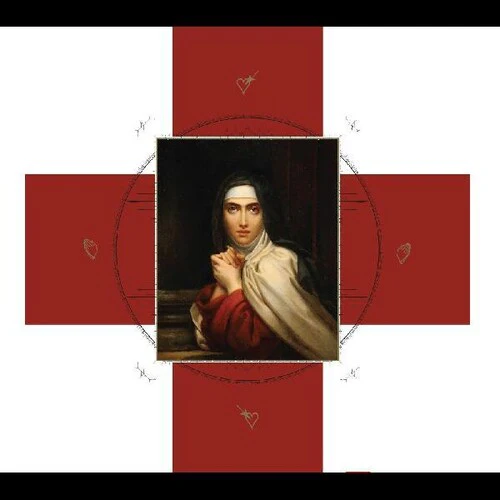
Mascagni: Messa di Gloria / Ivanov, Candia, Callegari, The State Philharmonic Orchestra
The Messa di Gloria belongs to the period before Cavalleria Rusticana: the lack of a choral or a fugue as well as the simple, almost ingenuous tonalities reveal the dominance of the operatic style over the religious one. Only a careful listening can disclose in the operatic melodies of the Messa di Gloria some kind of references to church music. Echoes of Guglielmo Ratcliff can be heard in the Gratias, and the Incarnatus clearly recalls Turiddu’s “resta abbandonata” from Cavalleria. Before a modern audience the Messa, made of “pray, all love and passion”, as the composer described it, still retains its character. The lyrical element, vehement in the Gloria or tender in the Elevazione, is soaked with Mediterranean feelings, like in a deep and touching popular songs.
Product Information
Product Information
Shipping & Returns
Shipping & Returns


Mascagni: Messa di Gloria / Ivanov, Candia, Callegari, The State Philharmonic Orchestra
Mascagni: Messa di Gloria / Ivanov, Candia, Callegari, The State Philharmonic Orchestra
The Messa di Gloria belongs to the period before Cavalleria Rusticana: the lack of a choral or a fugue as well as the simple, almost ingenuous tonalities reveal the dominance of the operatic style over the religious one. Only a careful listening can disclose in the operatic melodies of the Messa di Gloria some kind of references to church music. Echoes of Guglielmo Ratcliff can be heard in the Gratias, and the Incarnatus clearly recalls Turiddu’s “resta abbandonata” from Cavalleria. Before a modern audience the Messa, made of “pray, all love and passion”, as the composer described it, still retains its character. The lyrical element, vehement in the Gloria or tender in the Elevazione, is soaked with Mediterranean feelings, like in a deep and touching popular songs.
Product Information
Product Information
Shipping & Returns
Shipping & Returns
Description
The Messa di Gloria belongs to the period before Cavalleria Rusticana: the lack of a choral or a fugue as well as the simple, almost ingenuous tonalities reveal the dominance of the operatic style over the religious one. Only a careful listening can disclose in the operatic melodies of the Messa di Gloria some kind of references to church music. Echoes of Guglielmo Ratcliff can be heard in the Gratias, and the Incarnatus clearly recalls Turiddu’s “resta abbandonata” from Cavalleria. Before a modern audience the Messa, made of “pray, all love and passion”, as the composer described it, still retains its character. The lyrical element, vehement in the Gloria or tender in the Elevazione, is soaked with Mediterranean feelings, like in a deep and touching popular songs.