🚚 Free Worldwide Shipping on All Orders!Shop Now
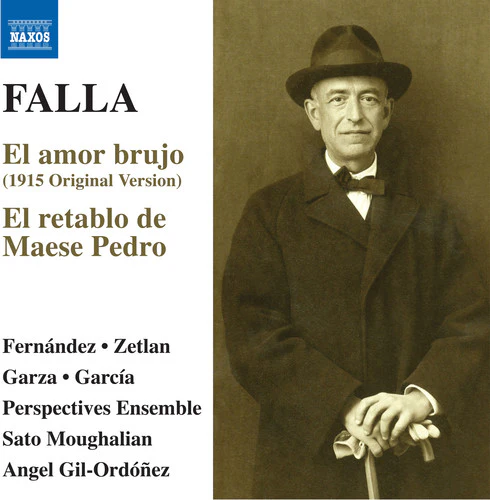
Falla: El Amor Brujo (1915 Version) / Gil-Ordonez, Perspectives Ensemble
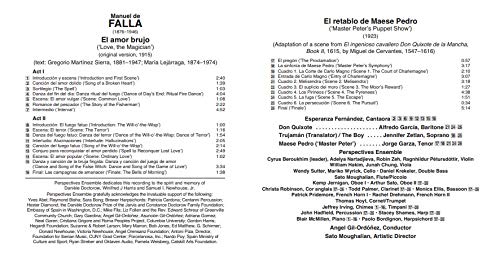
There have been a couple of recordings of El amor brujo in its original, two-act chamber version of 1915, but this one is as fine as any and just might be the best around. Conductor Angel Gil-Ordóñez chooses ideal tempos, the members of the Perspectives Ensemble play beautifully, and everyone seems genuinely involved in projecting Falla’s characterful instrumental parts with just the right combination of precision and warmth. Cantaora (singer) Esperanza Fernández sings with fervor and her voice, while raw and “popular,” at least remains in tune. She lacks the artistry and sensitivity of more professionally trained singers such as the incomparable Nati Mistrál on Decca, but in these surroundings it hardly matters.
The original version really is a different work: longer, with a slightly different plot that need not concern us, and despite using much of the same music often quite different in sound and texture. You can compare the two in the sound clips below. The revised version for full orchestra sounds more mysterious, more “impressionistic” if you will, while the original is leaner in outline but also definitely more rhythmically persistent and sinister. The only disadvantage to the original, in my opinion, is the generous amount of spoken dialog, which must be irritating even to native speakers when the music is so beautiful. You wish Fernández would offer less talk and more music.
Speaking of talk, Master Peter’s Puppet Show has a plot straight from Cervantes’ Don Quixote, and consists of wonderful musical bits connected by long stretches of recitative narration. The scoring is extremely imaginative, with the chamber ensemble featuring a harpsichord (played by Wanda Landowska at the premiere), and colorful parts for brass and percussion. What singing there is comes off quite well, with Jennifer Zetlan doing her best with the ungrateful part of the narrator. The plot, in case you don’t already know the original, is simplicity itself. At a roadside inn Master Peter puts on a puppet show set in the time of Charlemagne about the rescue of a damsel in distress. Don Quixote becomes thoroughly confused and takes the whole thing rather too seriously. Chaos ensues. That’s it.
Once again the performance is excellent from all concerned, and both pieces are very well recorded. Provided you have time to sit down and follow both not-terribly-long works booklet in hand, in this case thoughtfully containing texts and English translations, this release earns an easy and well-deserved recommendation.
– ClassicsToday.com (David Hurwitz)
The original version really is a different work: longer, with a slightly different plot that need not concern us, and despite using much of the same music often quite different in sound and texture. You can compare the two in the sound clips below. The revised version for full orchestra sounds more mysterious, more “impressionistic” if you will, while the original is leaner in outline but also definitely more rhythmically persistent and sinister. The only disadvantage to the original, in my opinion, is the generous amount of spoken dialog, which must be irritating even to native speakers when the music is so beautiful. You wish Fernández would offer less talk and more music.
Speaking of talk, Master Peter’s Puppet Show has a plot straight from Cervantes’ Don Quixote, and consists of wonderful musical bits connected by long stretches of recitative narration. The scoring is extremely imaginative, with the chamber ensemble featuring a harpsichord (played by Wanda Landowska at the premiere), and colorful parts for brass and percussion. What singing there is comes off quite well, with Jennifer Zetlan doing her best with the ungrateful part of the narrator. The plot, in case you don’t already know the original, is simplicity itself. At a roadside inn Master Peter puts on a puppet show set in the time of Charlemagne about the rescue of a damsel in distress. Don Quixote becomes thoroughly confused and takes the whole thing rather too seriously. Chaos ensues. That’s it.
Once again the performance is excellent from all concerned, and both pieces are very well recorded. Provided you have time to sit down and follow both not-terribly-long works booklet in hand, in this case thoughtfully containing texts and English translations, this release earns an easy and well-deserved recommendation.
– ClassicsToday.com (David Hurwitz)
Product Information
Product Information
Shipping & Returns
Shipping & Returns
Falla: El Amor Brujo (1915 Version) / Gil-Ordonez, Perspectives Ensemble
Falla: El Amor Brujo (1915 Version) / Gil-Ordonez, Perspectives Ensemble
There have been a couple of recordings of El amor brujo in its original, two-act chamber version of 1915, but this one is as fine as any and just might be the best around. Conductor Angel Gil-Ordóñez chooses ideal tempos, the members of the Perspectives Ensemble play beautifully, and everyone seems genuinely involved in projecting Falla’s characterful instrumental parts with just the right combination of precision and warmth. Cantaora (singer) Esperanza Fernández sings with fervor and her voice, while raw and “popular,” at least remains in tune. She lacks the artistry and sensitivity of more professionally trained singers such as the incomparable Nati Mistrál on Decca, but in these surroundings it hardly matters.
The original version really is a different work: longer, with a slightly different plot that need not concern us, and despite using much of the same music often quite different in sound and texture. You can compare the two in the sound clips below. The revised version for full orchestra sounds more mysterious, more “impressionistic” if you will, while the original is leaner in outline but also definitely more rhythmically persistent and sinister. The only disadvantage to the original, in my opinion, is the generous amount of spoken dialog, which must be irritating even to native speakers when the music is so beautiful. You wish Fernández would offer less talk and more music.
Speaking of talk, Master Peter’s Puppet Show has a plot straight from Cervantes’ Don Quixote, and consists of wonderful musical bits connected by long stretches of recitative narration. The scoring is extremely imaginative, with the chamber ensemble featuring a harpsichord (played by Wanda Landowska at the premiere), and colorful parts for brass and percussion. What singing there is comes off quite well, with Jennifer Zetlan doing her best with the ungrateful part of the narrator. The plot, in case you don’t already know the original, is simplicity itself. At a roadside inn Master Peter puts on a puppet show set in the time of Charlemagne about the rescue of a damsel in distress. Don Quixote becomes thoroughly confused and takes the whole thing rather too seriously. Chaos ensues. That’s it.
Once again the performance is excellent from all concerned, and both pieces are very well recorded. Provided you have time to sit down and follow both not-terribly-long works booklet in hand, in this case thoughtfully containing texts and English translations, this release earns an easy and well-deserved recommendation.
– ClassicsToday.com (David Hurwitz)
The original version really is a different work: longer, with a slightly different plot that need not concern us, and despite using much of the same music often quite different in sound and texture. You can compare the two in the sound clips below. The revised version for full orchestra sounds more mysterious, more “impressionistic” if you will, while the original is leaner in outline but also definitely more rhythmically persistent and sinister. The only disadvantage to the original, in my opinion, is the generous amount of spoken dialog, which must be irritating even to native speakers when the music is so beautiful. You wish Fernández would offer less talk and more music.
Speaking of talk, Master Peter’s Puppet Show has a plot straight from Cervantes’ Don Quixote, and consists of wonderful musical bits connected by long stretches of recitative narration. The scoring is extremely imaginative, with the chamber ensemble featuring a harpsichord (played by Wanda Landowska at the premiere), and colorful parts for brass and percussion. What singing there is comes off quite well, with Jennifer Zetlan doing her best with the ungrateful part of the narrator. The plot, in case you don’t already know the original, is simplicity itself. At a roadside inn Master Peter puts on a puppet show set in the time of Charlemagne about the rescue of a damsel in distress. Don Quixote becomes thoroughly confused and takes the whole thing rather too seriously. Chaos ensues. That’s it.
Once again the performance is excellent from all concerned, and both pieces are very well recorded. Provided you have time to sit down and follow both not-terribly-long works booklet in hand, in this case thoughtfully containing texts and English translations, this release earns an easy and well-deserved recommendation.
– ClassicsToday.com (David Hurwitz)
$13.99
Falla: El Amor Brujo (1915 Version) / Gil-Ordonez, Perspectives Ensemble—
$13.99
Product Information
Product Information
Shipping & Returns
Shipping & Returns
Description
There have been a couple of recordings of El amor brujo in its original, two-act chamber version of 1915, but this one is as fine as any and just might be the best around. Conductor Angel Gil-Ordóñez chooses ideal tempos, the members of the Perspectives Ensemble play beautifully, and everyone seems genuinely involved in projecting Falla’s characterful instrumental parts with just the right combination of precision and warmth. Cantaora (singer) Esperanza Fernández sings with fervor and her voice, while raw and “popular,” at least remains in tune. She lacks the artistry and sensitivity of more professionally trained singers such as the incomparable Nati Mistrál on Decca, but in these surroundings it hardly matters.
The original version really is a different work: longer, with a slightly different plot that need not concern us, and despite using much of the same music often quite different in sound and texture. You can compare the two in the sound clips below. The revised version for full orchestra sounds more mysterious, more “impressionistic” if you will, while the original is leaner in outline but also definitely more rhythmically persistent and sinister. The only disadvantage to the original, in my opinion, is the generous amount of spoken dialog, which must be irritating even to native speakers when the music is so beautiful. You wish Fernández would offer less talk and more music.
Speaking of talk, Master Peter’s Puppet Show has a plot straight from Cervantes’ Don Quixote, and consists of wonderful musical bits connected by long stretches of recitative narration. The scoring is extremely imaginative, with the chamber ensemble featuring a harpsichord (played by Wanda Landowska at the premiere), and colorful parts for brass and percussion. What singing there is comes off quite well, with Jennifer Zetlan doing her best with the ungrateful part of the narrator. The plot, in case you don’t already know the original, is simplicity itself. At a roadside inn Master Peter puts on a puppet show set in the time of Charlemagne about the rescue of a damsel in distress. Don Quixote becomes thoroughly confused and takes the whole thing rather too seriously. Chaos ensues. That’s it.
Once again the performance is excellent from all concerned, and both pieces are very well recorded. Provided you have time to sit down and follow both not-terribly-long works booklet in hand, in this case thoughtfully containing texts and English translations, this release earns an easy and well-deserved recommendation.
– ClassicsToday.com (David Hurwitz)
The original version really is a different work: longer, with a slightly different plot that need not concern us, and despite using much of the same music often quite different in sound and texture. You can compare the two in the sound clips below. The revised version for full orchestra sounds more mysterious, more “impressionistic” if you will, while the original is leaner in outline but also definitely more rhythmically persistent and sinister. The only disadvantage to the original, in my opinion, is the generous amount of spoken dialog, which must be irritating even to native speakers when the music is so beautiful. You wish Fernández would offer less talk and more music.
Speaking of talk, Master Peter’s Puppet Show has a plot straight from Cervantes’ Don Quixote, and consists of wonderful musical bits connected by long stretches of recitative narration. The scoring is extremely imaginative, with the chamber ensemble featuring a harpsichord (played by Wanda Landowska at the premiere), and colorful parts for brass and percussion. What singing there is comes off quite well, with Jennifer Zetlan doing her best with the ungrateful part of the narrator. The plot, in case you don’t already know the original, is simplicity itself. At a roadside inn Master Peter puts on a puppet show set in the time of Charlemagne about the rescue of a damsel in distress. Don Quixote becomes thoroughly confused and takes the whole thing rather too seriously. Chaos ensues. That’s it.
Once again the performance is excellent from all concerned, and both pieces are very well recorded. Provided you have time to sit down and follow both not-terribly-long works booklet in hand, in this case thoughtfully containing texts and English translations, this release earns an easy and well-deserved recommendation.
– ClassicsToday.com (David Hurwitz)